Breaking News
Mohammed Wahbi
Politics
The War in Ukraine
October 28, 2025
•
98 views
•
1 comments
The war in Ukraine, ignited by Russia's full-scale invasion on February 24, 2022, is more than a regional conflict; it is the most significant military confrontation in Europe since World War II. It represents a brutal clash over fundamental principles of international law, national sovereignty, and the future of the global security order.
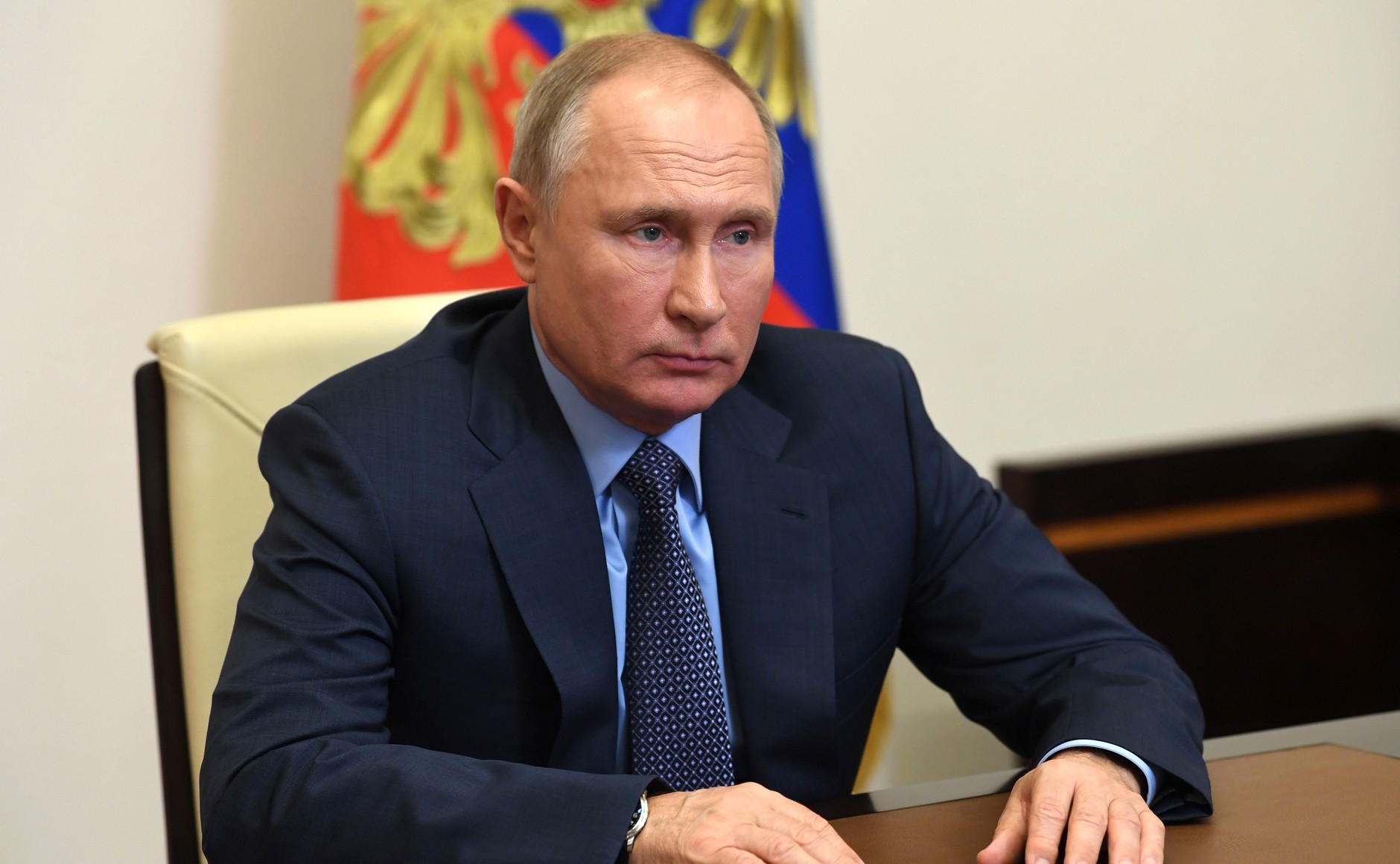
The roots of the conflict are complex, stretching back through years of tension following Ukraine's 2014 Revolution of Dignity, Russia's subsequent annexation of Crimea, and its support for separatist forces in the Donbas region. However, the 2022 escalation marked a dramatic turning point. President Vladimir Putin's decision to launch a full-scale invasion was a blatant violation of the United Nations Charter and an attempt to redraw European borders by force. The stated Russian goals of "demilitarization" and "denazification" of Ukraine have been widely dismissed by the international community as a pretext for an imperial-style war of aggression.
The human cost of the war has been catastrophic. Tens of thousands of Ukrainian civilians have been killed or injured, and millions have been displaced from their homes, creating one of the largest refugee crises in recent history. Cities like Mariupol, Bakhmut, and Kharkiv have been reduced to rubble, showcasing a level of destruction not seen on the continent for decades. Evidence of war crimes, including executions, torture, and indiscriminate attacks on civilian infrastructure, has been documented by international bodies, leading to accusations of crimes against humanity.
On the battlefield, the conflict has evolved into a grueling war of attrition. Initial Russian expectations of a swift victory were dashed by the fierce and determined resistance of the Ukrainian people and their military. Backed by significant military and financial aid from the United States, the United Kingdom, the European Union, and other allies, Ukraine has managed to reclaim occupied territory and defend its sovereignty against overwhelming odds. The war has become a testing ground for new military technology, particularly drones, while also reviving the importance of World War I-style trench warfare.
Globally, the war has triggered a severe energy and food crisis, disrupting supplies of Ukrainian grain and Russian gas and fueling inflation worldwide. It has also solidified a new geopolitical divide, reinvigorating Western alliances like NATO while pushing Russia closer to other authoritarian states such as China, Iran, and North Korea.
As the conflict continues with no clear end in sight, it remains a stark reminder of the fragility of peace. The outcome in Ukraine will not only determine the future of the Ukrainian people but will also set a crucial precedent for whether aggression is rewarded or punished in the 21st century.
The roots of the conflict are complex, stretching back through years of tension following Ukraine's 2014 Revolution of Dignity, Russia's subsequent annexation of Crimea, and its support for separatist forces in the Donbas region. However, the 2022 escalation marked a dramatic turning point. President Vladimir Putin's decision to launch a full-scale invasion was a blatant violation of the United Nations Charter and an attempt to redraw European borders by force. The stated Russian goals of "demilitarization" and "denazification" of Ukraine have been widely dismissed by the international community as a pretext for an imperial-style war of aggression.
The human cost of the war has been catastrophic. Tens of thousands of Ukrainian civilians have been killed or injured, and millions have been displaced from their homes, creating one of the largest refugee crises in recent history. Cities like Mariupol, Bakhmut, and Kharkiv have been reduced to rubble, showcasing a level of destruction not seen on the continent for decades. Evidence of war crimes, including executions, torture, and indiscriminate attacks on civilian infrastructure, has been documented by international bodies, leading to accusations of crimes against humanity.
On the battlefield, the conflict has evolved into a grueling war of attrition. Initial Russian expectations of a swift victory were dashed by the fierce and determined resistance of the Ukrainian people and their military. Backed by significant military and financial aid from the United States, the United Kingdom, the European Union, and other allies, Ukraine has managed to reclaim occupied territory and defend its sovereignty against overwhelming odds. The war has become a testing ground for new military technology, particularly drones, while also reviving the importance of World War I-style trench warfare.
Globally, the war has triggered a severe energy and food crisis, disrupting supplies of Ukrainian grain and Russian gas and fueling inflation worldwide. It has also solidified a new geopolitical divide, reinvigorating Western alliances like NATO while pushing Russia closer to other authoritarian states such as China, Iran, and North Korea.
As the conflict continues with no clear end in sight, it remains a stark reminder of the fragility of peace. The outcome in Ukraine will not only determine the future of the Ukrainian people but will also set a crucial precedent for whether aggression is rewarded or punished in the 21st century.
Share:
Comments (1)
Leave a Comment
Ggg
Oct 30, 2025 12:04 AMHhggggggfffxxcxxxxxx
Ggg
Oct 30, 2025 12:04 AMHhggggggfffxxcxxxxxx